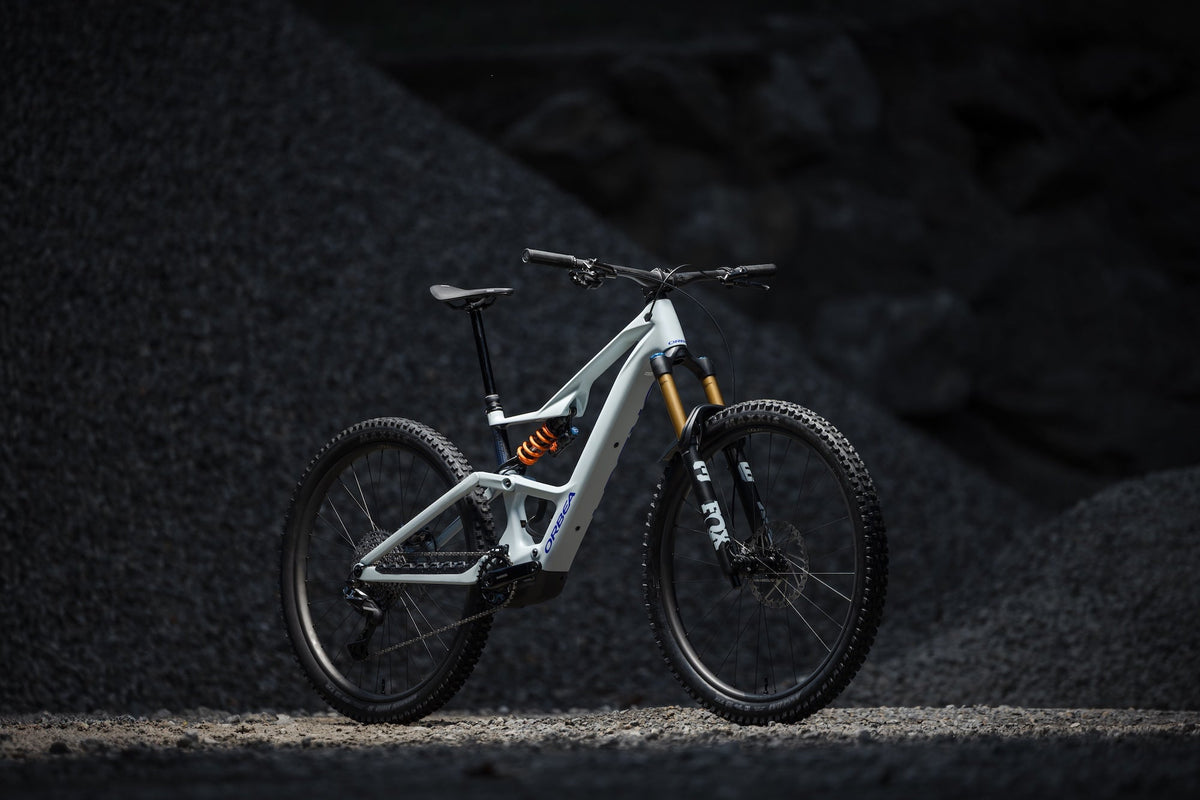



Orbea makes some of our favorite e-bikes, and the company behind them has one of the best stories in cycling. It began as a family of gunsmiths in 1840, nearly closed in the 1960s, and was saved by its own workers. They still own it today.
It Started With Guns
Orbea was founded in 1840 in Eibar, a town of gunsmiths in Spain's Basque Country, by three brothers: Juan Manuel, Mateo and Casimiro Orbea. For its first ninety years the family business made firearms. Eibar's craftsmen were known for engraving and for damascene work, inlaying fine gold into steel, and Orbea built its pieces to order for individual customers.

From Gun Barrels to Bike Frames
After the First World War, demand for arms fell and Orbea needed something else to make. The company already knew precision metalwork, so around 1930 it turned to bicycles, along with prams and other everyday goods.
Racing came almost right away. In 1935, Spanish champion Mariano Cañardo finished second in the very first Vuelta a España on an Orbea. A year later, Federico Ezquerra gave the brand its first stage win at the Tour de France.

The Workers Take Over
By the late 1960s the business was in trouble, and the Orbea family decided to close it. The workers had a different idea. In 1969 they took over the company and turned it into a cooperative. Production moved from Eibar to a new factory in nearby Mallabia, and in 1971 the co-op joined Mondragon, the Basque network of worker cooperatives.
More than fifty years later, Orbea is still owned by the people who work there.

Gold in Beijing
The co-op kept racing. Its carbon road bike, the Orca, became a familiar sight at the Tour de France under the orange-clad Basque team Euskaltel-Euskadi. Then came 2008 and one of the best weeks in Orbea's history: Samuel Sánchez won the Olympic road race in Beijing on an Orca, and days later Julien Absalon won mountain bike gold on an Orbea too.
What Happens in Mallabia Today
Mallabia is still home. Orbea designs and tests its bikes there, and the factory paints and assembles many of them. Like most bike brands, Orbea has its frames made by partners in Portugal and Asia, and some of its more affordable models are finished in Portugal. The paint shop and assembly line in Mallabia are also what make MyO possible. That's Orbea's custom program, which lets you choose your own colors and parts on many models.


Orbea at The New Wheel
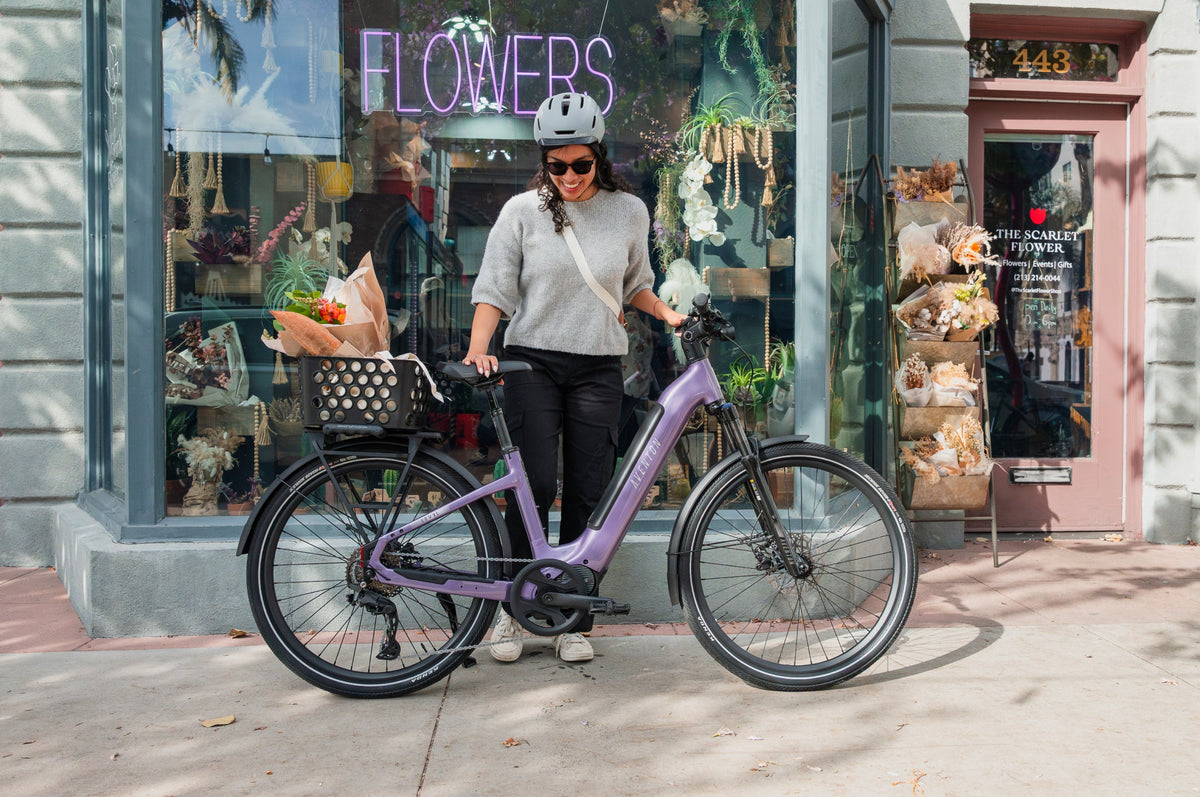
We carry Orbea e-bikes for the commute, the trail and most things in between. The Kemen Adv is an everyday bike that keeps going when the pavement ends. The Carpe and Diem are belt-drive commuters built for daily miles. And the Rise and Wild are two of the best electric mountain bikes we've ridden.
See all of our Orbea e-bikes, or book a test ride at our San Francisco, Oakland or Marin shop.